
The Great Collapse (1970s – 1989)
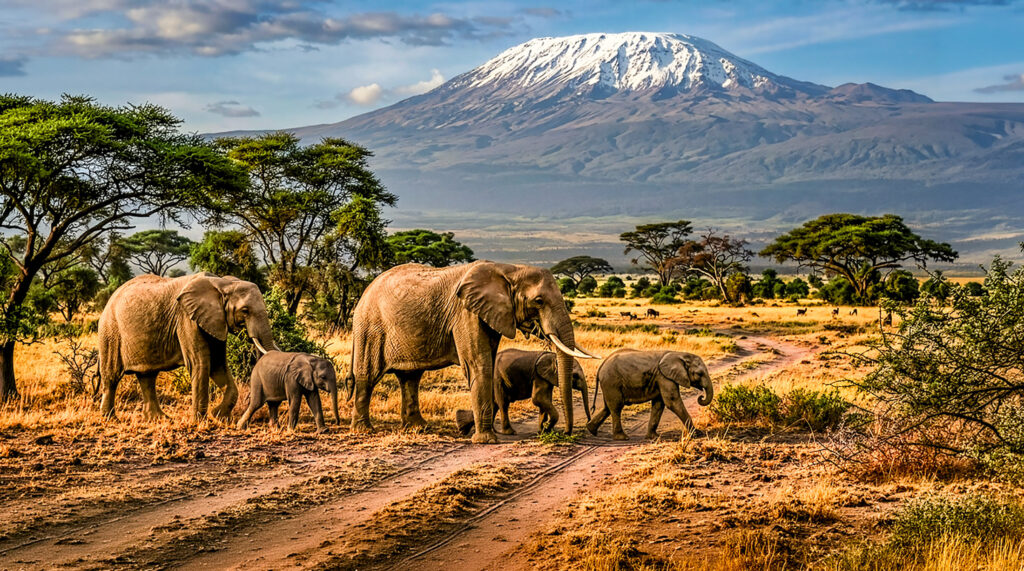
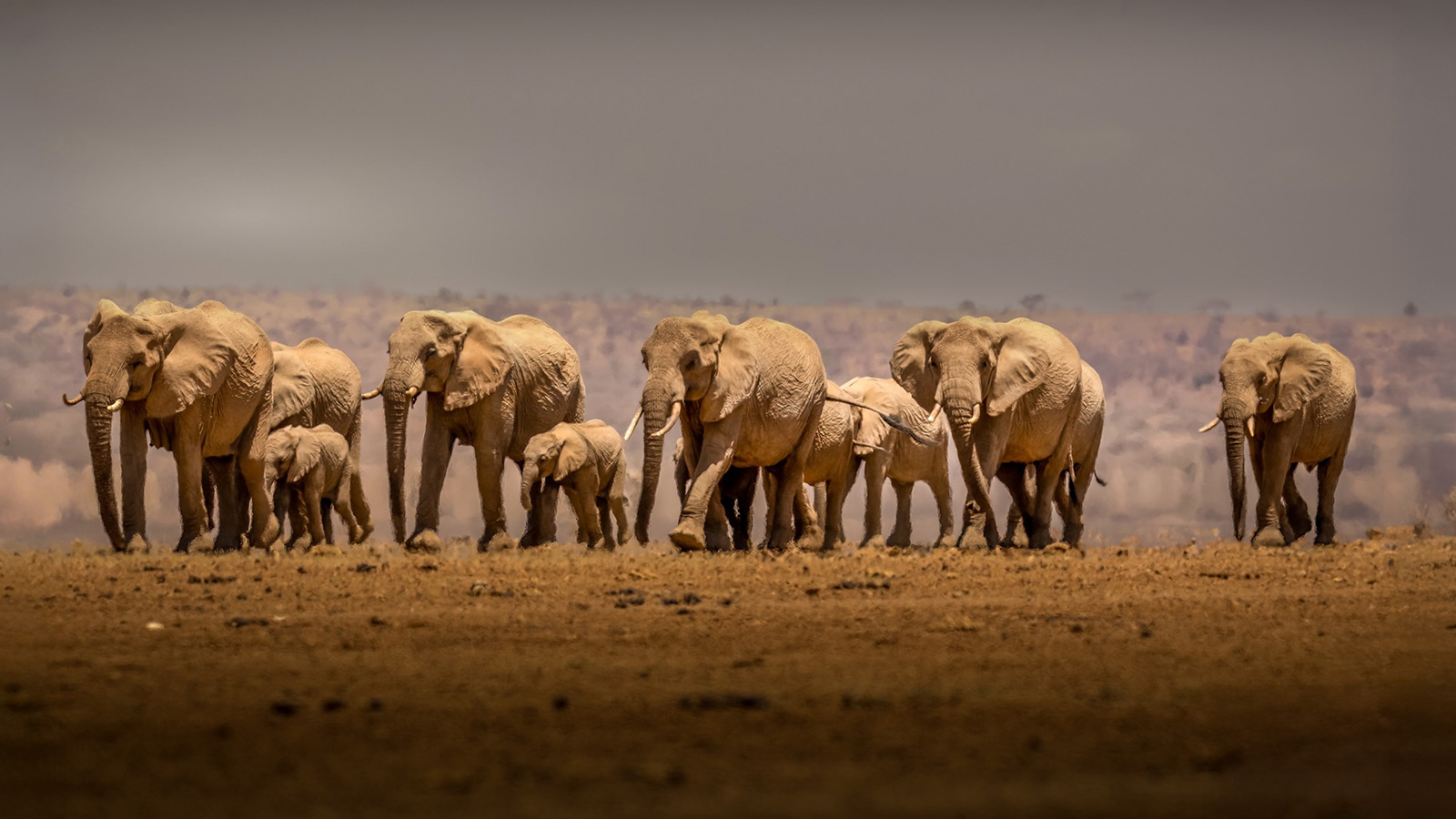
In the early 1970s, Kenya was home to a massive elephant population, estimated at around 167,000 individuals in 1973. However, the next fifteen years proved catastrophic:
-
- Unregulated Poaching: Global demand for ivory surged on the black market, particularly in Asia. Highly organized, heavily armed poaching syndicates operated with near impunity across Kenya’s national parks.
-
- The Population Nadir: By 1989, the crisis reached its absolute low point. The population had collapsed by over 85%, leaving only 16,000 elephants alive in the entire country. The species faced local extinction.
The Turning Point and Ivory Burning (1989)
In 1989, Kenya’s government—led by President Daniel arap Moi and the newly appointed head of the wildlife department, Richard Leakey—launched an aggressive counter-offensive:
-
- The Symbolic Bonfire: Kenya captured global headlines by burning 12 tons of confiscated ivory in Nairobi. This demonstrated to the world that ivory has no commercial value.
-
- International Ban: That same year, the efforts succeeded internationally when CITES implemented a total global ban on the commercial trade of ivory.
-
- Militarization of Parks: Armed rangers were given a “shoot-to-kill” mandate against poachers, rapidly curbing the illegal slaughter inside reserves.
Recovery and the “Baby Boom” (1990s – 2020)
With anti-poaching measures strictly enforced, the elephant population began a slow, steady recovery:
-
- Three Decades of Growth: Between 1989 and 2019, Kenya witnessed a consistent annual increase in elephant numbers.
-
- Population Doubling: By 2019, official censuses reported that the population had more than doubled to 34,800 elephants.
-
- The 2020 Baby Boom: A combination of heavy rainfall (which provided abundant vegetation) and reduced human interference during the COVID-19 pandemic triggered an unprecedented breeding boom. In Amboseli National Park alone, over 170 calves were born in a single year.
Status Today (2021 – 2026)
Kenya’s first-ever synchronized National Wildlife Census in 2021 officially counted 36,280 elephants. Recent regional surveys and nationwide status updates from late 2025 confirm that the upward trend for elephants remains stable, sustained by the country’s strict zero-tolerance policy toward poaching.
New Threats in the 21st Century
While poaching is largely under control, modern elephants face a different set of critical challenges:
-
- Human-Elephant Conflict: Kenya’s human population has grown exponentially over the last 50 years. Agricultural expansion and infrastructure projects have severed historic wildlife migration corridors. As elephants wander into farms for food, destructive conflicts with local communities often turn fatal for both humans and animals.
-
- Climate Change and Drought: Severe droughts in East Africa have surpassed poaching as the single greatest threat to elephant survival. Lack of food and water parches the landscape, occasionally causing spike-rates in elephant mortality, particularly among young calves.
- The Model: Organizations like theNorthern Rangelands Trust (NRT) oversee over 40 conservancies across northern Kenya. They pool community-owned land together to manage cattle ranching and wildlife side-by-side.
- Securing Migratory Corridors: Group ranches in critical areas like the Amboseli ecosystem map and protect open migratory routes. This allows elephants to move safely between national parks without stepping into human territory.
- Economic Incentives: Communities generate direct revenue from ecotourism, employment as rangers, and sustainable livestock production. This incomefunds local schools and healthcare, lifting communities out of poverty and fostering pride in protecting elephants.
- Mitigating Conflict: Smart planning, combined with community-maintained electric fencing in agricultural border zones, keeps elephants out of crops. This drastically reduces retaliatory killings.
- Artificial Water Provision: Elephants require up to 200 liters of water daily. During severe dry spells, solar-powered boreholes and man-made dams pump water directly into parched landscapes like the Tsavo Conservation Area. This stops elephants from migrating into human villages out of desperation.
- Water Trucking (Bowsers): Teams like the Sheldrick Wildlife Trust operate fleet networks of high-capacity water bowsers. They rapidly transport hundreds of thousands of liters of water to fill dried-out watering holes.
- Supplementary Feeding: During catastrophic droughts where natural vegetation completely vanishes, the Ministry of Tourism and conservation partners actively distribute hay and supplementary forage to worst-affected regions like Amboseli and Laikipia to prevent mass starvation.
- The Orphan’s Project: SWT has successfully raised over 320 orphaned infant elephants, many found abandoned due to severe droughts, human-wildlife conflict, or getting trapped in community water wells.
- Specialized Nursery Care: Infant elephants require intensive, round-the-clock care and a highly specialized milk formula. Keepers act as surrogate mothers, sleeping in stables with the calves to provide psychological comfort.
- The Rewilding Process: Once calves grow strong enough, they move to reintegration centers in Tsavo National Park. Over several years, they gradually transition back into the wild, joining wild herds.
- Wild-Born Success: The program’s ultimate victory is cyclical; dozens of fully rewilded female elephants have integrated successfully and given birth to their own calves in the wild, expanding Kenya’s wild populations naturally.
What an inspiring and informative article!
It’s incredible to see how Kenya has transformed one of the world’s worst elephant conservation crises into a remarkable success story. I particularly enjoyed learning about the historic ivory burn of 1989 and the important role that community conservancies and organizations like the Sheldrick Wildlife Trust continue to play in protecting these magnificent animals. The article also highlights that while poaching has declined, challenges such as climate change and human-elephant conflict require our continued attention and support. Thank you for sharing such a well-researched and inspiring story—it reminds us that conservation is a shared responsibility and that together we can secure a better future for Kenya’s wildlife.
Thanks for your input William 🙂